No content results match your keyword.
Content

You have successfully logged out.


Multimodal Analgesia
Multimodal analgesia combines different classes of analgesics to optimize postoperative pain relief while minimizing opioid use and associated side effects.1

0
Opioid toxcity deaths per day on average
(in 2024 in Canada)4
As the opioid epidemic continues to claim lives and strain healthcare systems, clinicians are shifting away from opioid-centric pain management models. Multimodal analgesia combines different analgesics to optimize post-operative acute pain relief while minimizing opioid use and opioid-related side effects.1 By tailoring therapy to each patient’s condition and pain sensitivity, it allows for effective control using the lowest necessary doses.2 The basic principle is to use enough to manage pain but as little as possible to avoid harm.3
Multimodal analgesia may significantly reduce the adverse effects of surgical injury, accelerate recovery, lower postoperative morbidity, and decrease overall healthcare costs.5
Multimodal pain management combines6:
The specific therapies used in multimodal pain management should be selected depending on the individual patient’s needs and condition.2

Canadian Anesthesiologists’ Society (CAS) - Guidelines to the Practice of Anesthesia
Revised Edition 2024
link
American Pain Society - Guidelines on the Management of Postoperative Pain
Management of Postoperative Pain: A Clinical Practice Guideline From the American Pain Society, the American Society of Regional Anesthesia and Pain Medicine, and the American Society of Anesthesiologists’ Committee on Regional Anesthesia, Executive Committee, and Administrative Council
link
The European Society of Regional Anaesthesia and Pain Therapy (ESRA) - Procedure-Specific Postoperative Pain Management (PROSPECT) Guideline
Better Postoperative Pain Management
link
National Institute for Health and Care Excellence - NICE Guideline NG180 (UK)
Perioperative care in adults: [N1] Evidence reviews for managing acute postoperative pain
link
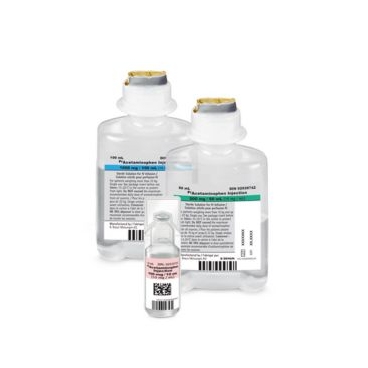
Common pharmacological therapies include acetaminophen, NSAIDs, local anesthetics, and opioids.6 These are often combined to improve pain relief and reduce opioid use.1
Learn about Intravenous AcetaminophenEnsuring compliance in pediatric drug delivery is a complex but critical aspect of effective treatment and patient wellbeing. Many children struggle to swallow pills or tablets, making age-appropriate and easy-to-administer formulations essential.7 Liquid formulations offer key advantages in pediatric care, enabling flexible dosing and easier administration; it is particularly beneficial for children who struggle with swallowing pills or tolerating solid medications.7
B. Braun has developed an intravenous acetaminophen for pediatric patients aged 2 years and older, available in a 100 mg/10 mL Mini-Plasco® container.
Learn about Pediatric Multimodal AnalgesiaAccording to a study at a large North American medical center, multimodal analgesia was linked to shorter hospital stays and improved bed availability compared to traditional pain management—benefits that may extend to similar healthcare settings.8
0
fewer hospital days per patient8
0
additional bed days (during the study duration)8

From 1999 to 2021, opioids were involved in approximately 33% of pediatric overdose deaths in North America.11 The majority of these deaths were unintentional, highlighting the urgent need for safer and more effective pain management strategies for children.11 With up to 82% of hospitalized children experiencing moderate to severe pain, effective pain management is a critical priority in pediatric care.12
Although there are no specific guidelines for prescribing opioids to pediatric patients, clinicians are encouraged to prioritize non-opioid alternatives before considering opioids.13 Growing awareness of opioid risks is shifting attention toward multimodal pain therapy in children.
Acetaminophen, a first-line option in multimodal analgesia, is one of the most commonly used non-opioid analgesics in pediatric care (> 2 years of age).14
B. Braun offers acetaminophen for injection formulation in a 100 mg/10 mL presentation, designed for safe and effective use in children.

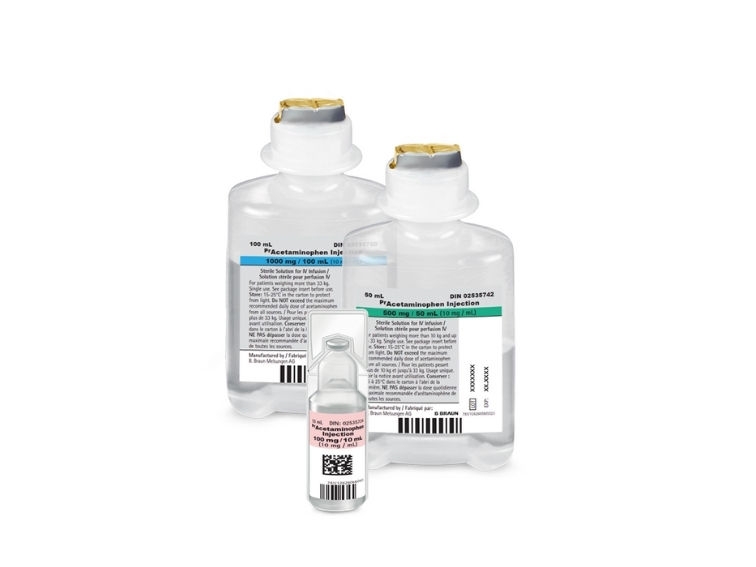
The World Health Organization (WHO) recommends starting pain management with non-opioids like acetaminophen before escalating to opioids. As part of a multimodal approach, B. Braun’s acetaminophen for injection provides rapid-onset pain relief while helping reduce opioid use.15
Learn about B. Braun's Acetaminophen for InjectionAcetaminophen for Injection provides fast pain relief and supports efforts to reduce opioid use. Complete the form below, and a B. Braun representative will contact you.
* Asterisk indicates required field