No content results match your keyword.
Content

You have successfully logged out.


Wound Management
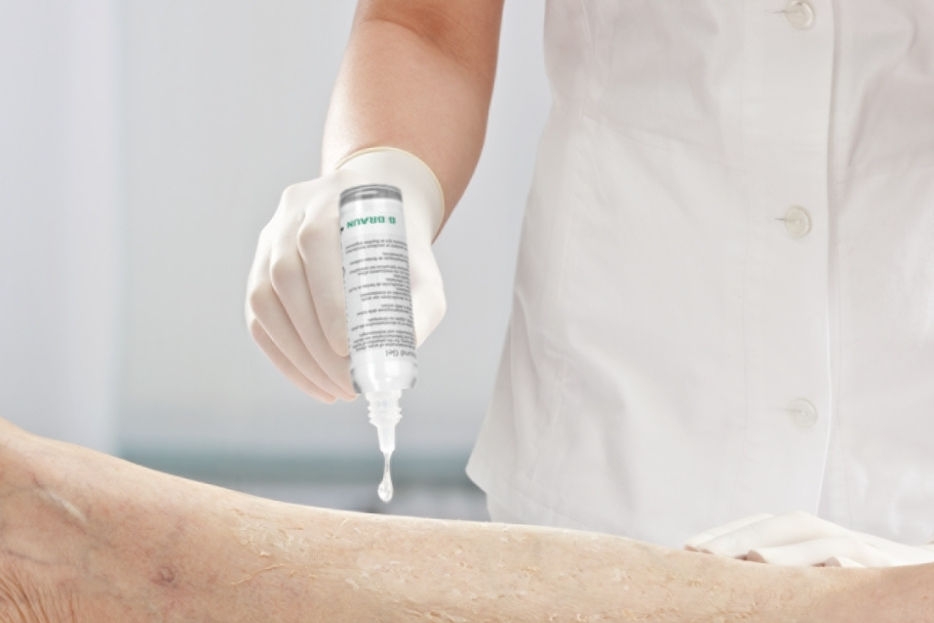
Open injuries carry a high risk of serious bacterial infections, which can lead to chronic wounds, long-term disability, or even death. Timely and appropriate wound care — including cleansing, debridement, and infection control — is essential to prevent complications and support healing.1
Chronic wounds place a significant burden on the body and weaken the immune system. If bacteria enter a wound, it can become infected, leading to tissue death and potentially life-threatening sepsis.2 Thus, effective wound care is essential for improving patient quality of life and reducing the overall healthcare burden.3

Addressing the causes of infection and promoting long-term wound healing
B. Braun offers a combination of products designed to support infection prevention, chronic wound management, and burn treatments.
75 - 0%
of skin and soft tissue wounds are infected by biofilms 4
Biofilm is a stubborn layer of bacteria that covers wounds, resisting the healing process and prolonging chronic wound conditions. Chronic wound infections are closely linked to serious health risks and can threaten a patient’s life. Thus, wound care products must deliver strong antimicrobial action and effectively eliminate biofilm.4
Nearly 1 in 4 people with diabetes will suffer from foot ulcers during their lifetime, making it one of the most common and serious complications of the disease.5 While the risk of complications like amputation after ulceration remains high, foot ulcers are a major source of preventable morbidity in adults with diabetes.6 These challenges highlight the need for comprehensive care - especially infection control - to improve patient quality of life.7
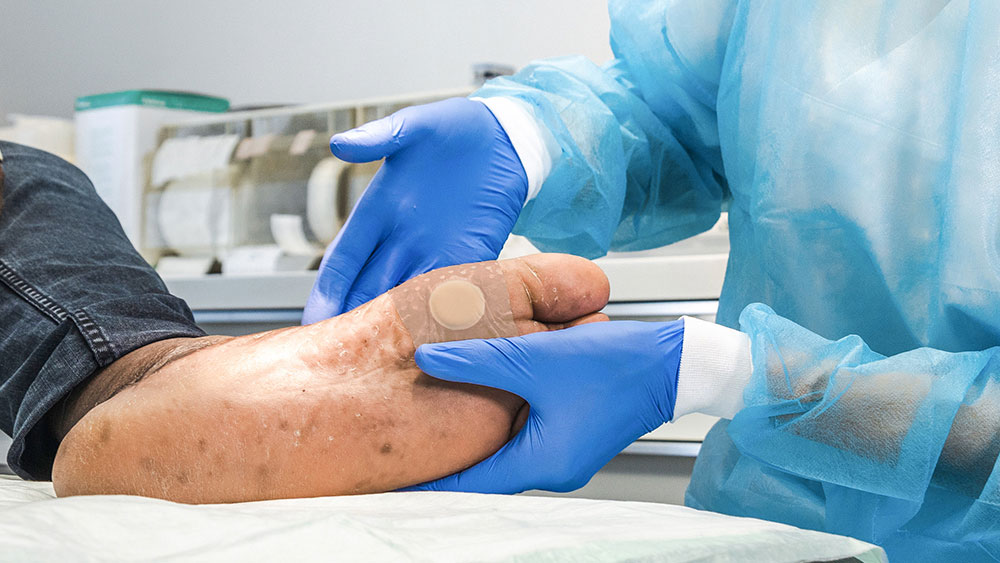

Pressure ulcers (also known as pressure sores, bedsores, or decubitus ulcers) significantly reduce patients' quality of life by impairing physical activity and causing psychological distress. They can delay recovery and hinder social participation due to exudation, emotional burden, and loss of independence, leading to both physical and psychological harm to overall wellbeing.8 To support healing and prevent further complications, effective pressure ulcer care must address bacterial burden, making wound cleansing an essential part of treatment.9
Burns are among the most severe and painful injuries, impacting vulnerable populations such as children, individuals with disabilities, and older adults. In 2019, over 8.3 million new burn cases were reported globally, resulting in 111,292 deaths—most of which occurred in the pediatric population. The impact of burn injuries is especially severe as the skin, the body’s largest organ, plays a vital role in protection, temperature regulation, and overall health. Thus, rapid and thorough wound cleansing is critical for improving patient outcomes.10